
Survey
Sun, mapped.
Designed to the building.
Built and installed by us.
We're not done at install.
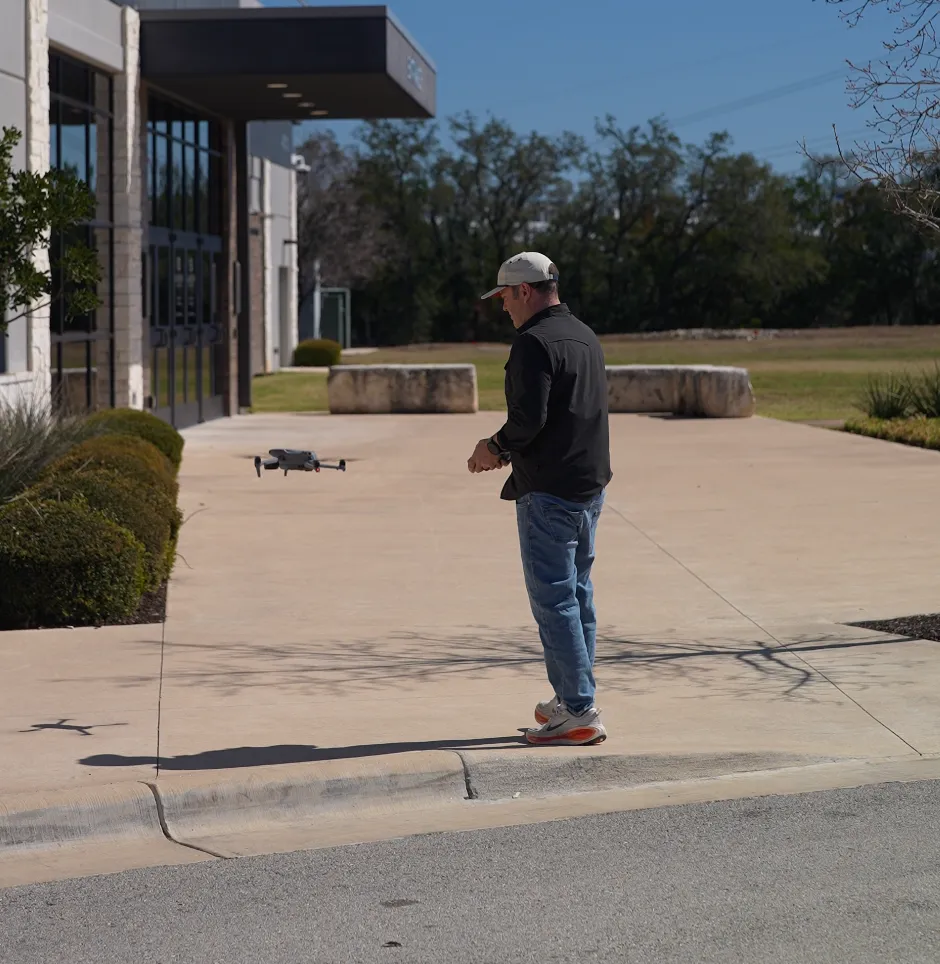
Most shade companies show up with a tape measure and a quote pad. We show up with questions.
Before a single measurement, we walk the space and learn how it actually gets used — morning coffee, late-afternoon dinners, kids in the pool, weekend events. We look at prevailing winds, neighbors, sightlines, and what you're trying to protect. By the time we pull out a tape measure, we already know what the shade needs to do.
Camera, drone a notebook, tape measure, and a site-conditions checklist we developed over 40 years of marine canvas work.
How you use the space. What time of day matters most. What the space looked like before. What a great outcome looks like to you.
A written site summary, photos, and a clear scope we both agree on before anything is designed.
A shade design that protects you at noon in June but burns you at 4pm in September isn't a shade design. It's half of one.
We map the sun's actual path across your site — through the day and across the seasons — using AR tools and on-site measurement. That lets us predict heat gain, glare, and shade coverage for every hour you'd actually use the space. We tune the canopy placement, angle, and size to the data before design ever starts.
Live overlay of sun paths on your actual site, on your phone. You see shade coverage at any time, any date, before anything is built.
Summer solstice, winter solstice, and the shoulder months. Shade that works in August and lets in light in January.
We flag reflective surfaces, hot spots, and glare sources — things most homeowners never think about until it's too late.
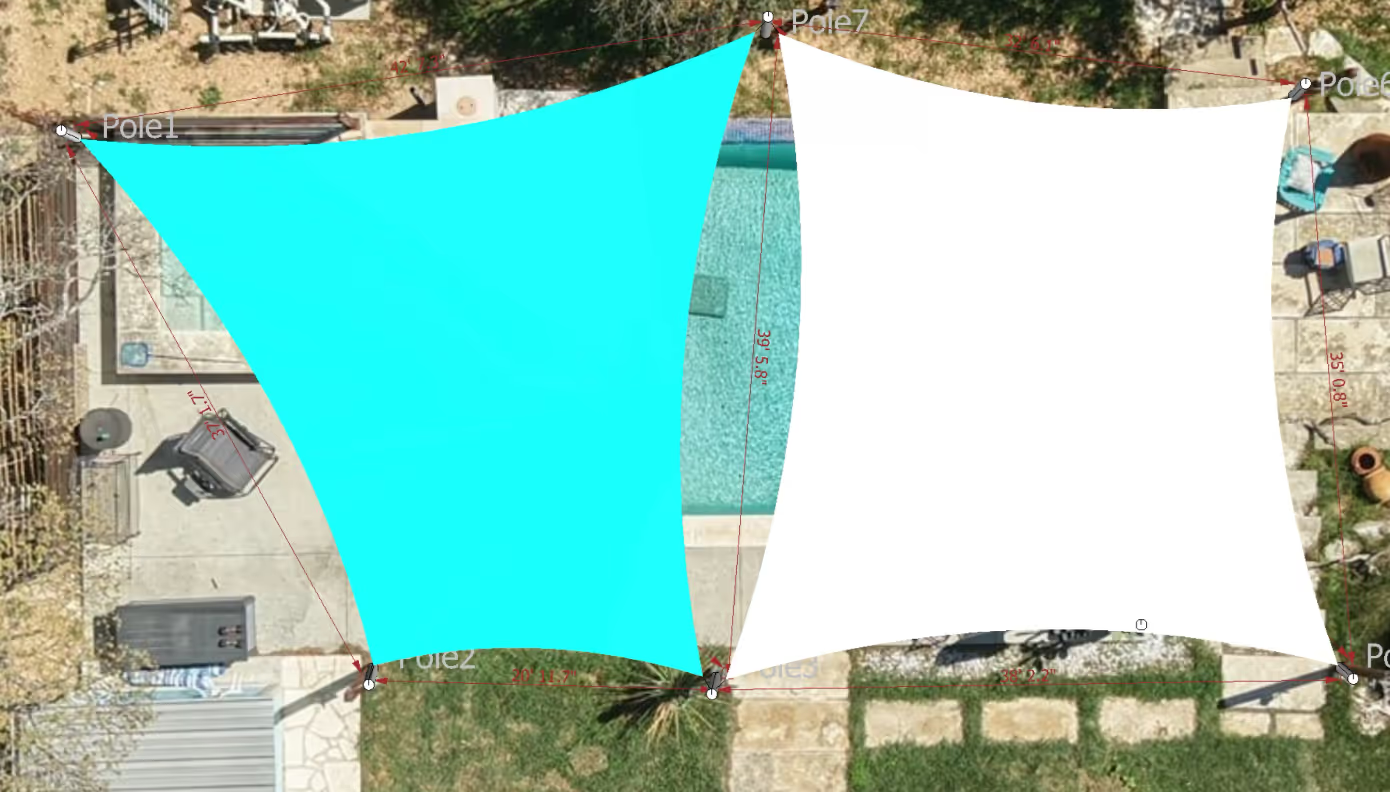
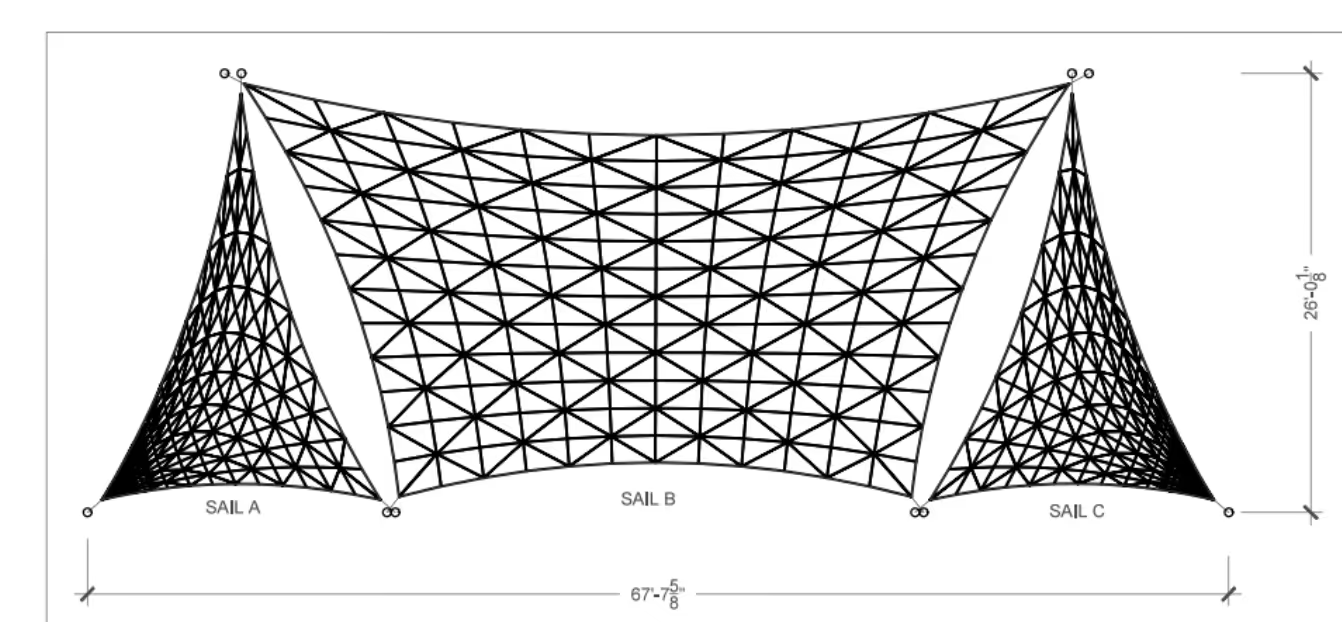
Off-the-shelf shade fails where your building doesn't match the catalog. Ours starts with your building.
We take what the Survey and Heatmap told us and architect a system to your specific structure — attachment points, load paths, substrate, roof lines, clearances, and the build sequence. Everything is drawn to the real conditions. If it needs engineering, it gets engineered. If it needs a custom attachment, we design it. No wishful thinking, no standard kits forced into non-standard spaces.
You see the canopy on your building before we cut a single panel. Adjustments happen in the model, not on the install day.
How you use the space. What time of day matters most. What the space looked like before. What a great outcome looks like to you.
A written site summary, photos, and a clear scope we both agree on before anything is designed.
There's no handoff to a subcontractor, no fabric shipped from a warehouse we've never been to, no install day surprise.
Panels are cut and sewn in our Austin shop by the same people who've been making marine canvas since 1984. Hardware is sourced from the marine and architectural suppliers we trust. Our install crew — not a hired-out third party — sets every post, tensions every panel, and stays until it's right. You meet the people who made your shade. You watch them install it.
Every panel cut and sewn in our Austin shop. Same shop that makes sails for Olympic sailors.
No subs. Our crew from start to finish. They know the product because they've installed it for at least 10 years.
Tensioned to spec — not to "looks tight." Loose shade stretches. Over-tight shade tears. We tune it.
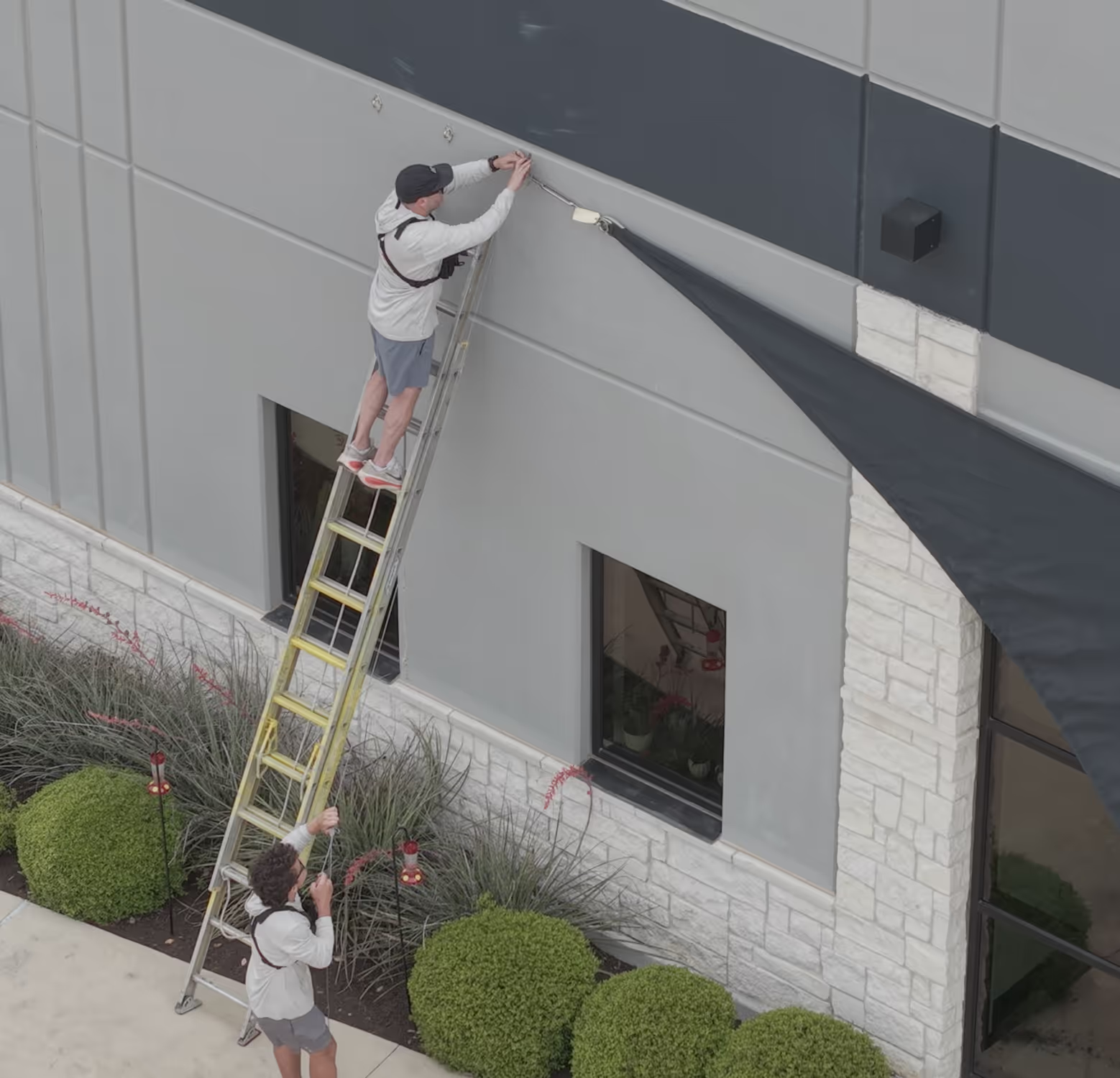
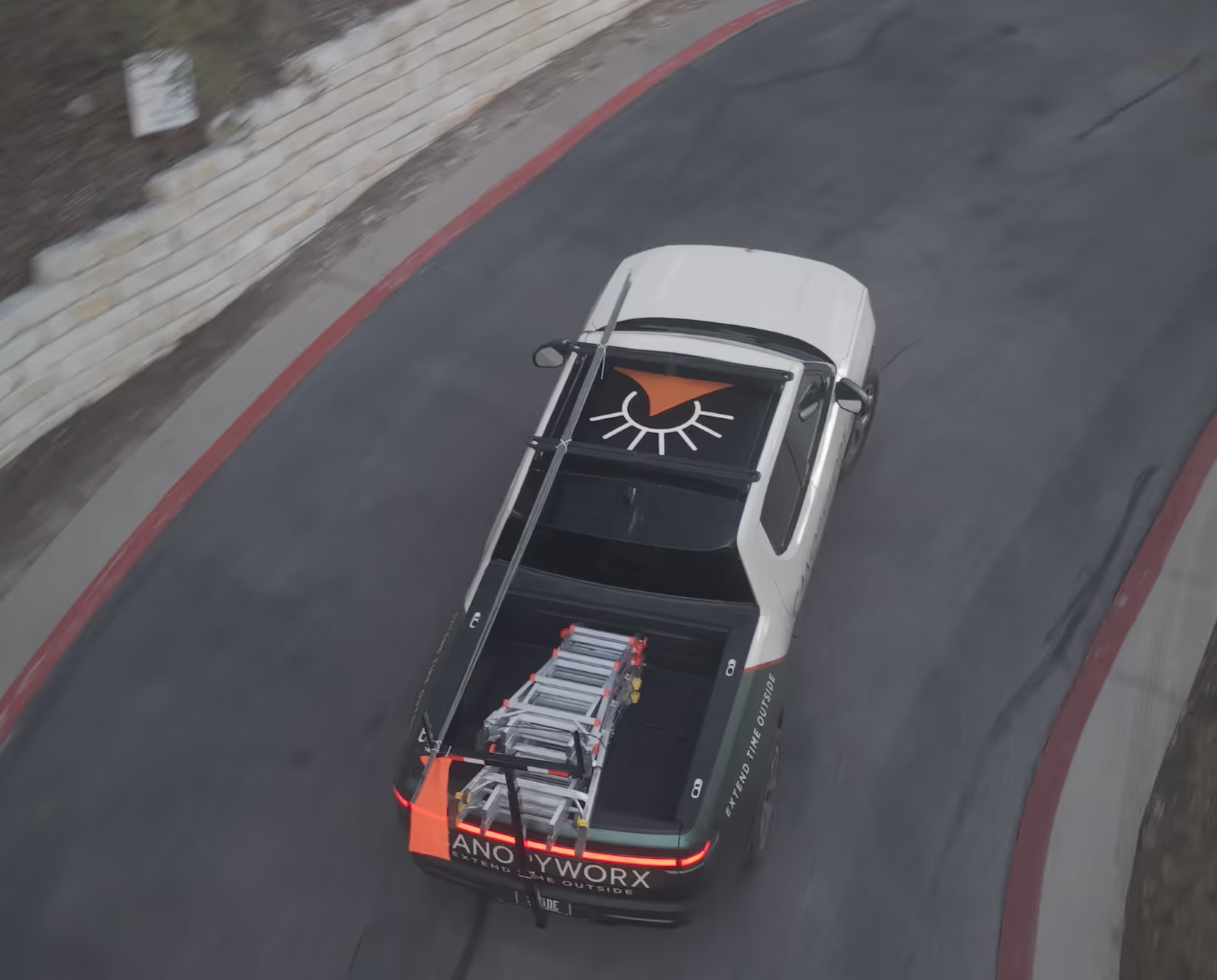
Most shade companies disappear the day the invoice clears. We built the opposite into our process.
Six months after install, we come back. We check tension, inspect attachments, note anything that's shifted, and adjust whatever needs adjusting. If everything's holding, you get the peace of mind that comes from knowing someone looked. And beyond that — you have a direct line to the crew that built it, for as long as you own the shade.
We come back. Standard, not extra. On every project.
We inspect what moved, what settled, and what needs adjusting. Most projects need nothing. We still look.
You call the crew that built it — not a call center, not a warranty department. For as long as you own the shade.
Fabric, hardware, and the buildings they're attached to all move a little in the first year. At six months we come back, check tension, inspect attachments, and note anything that's shifted. If something needs adjusting, we adjust it. If it's holding, you get peace of mind — and a direct line to our crew for whatever comes next.
Ready to start?
Free site visit. AR sun study. A design idea in hand before you commit to anything.